
- By Saudi Ducts Team
- April 28, 2026
- 0 Comment
King Salman Park Project Saudi Arabia
Introduction to the King Salman Park Project Saudi Arabia
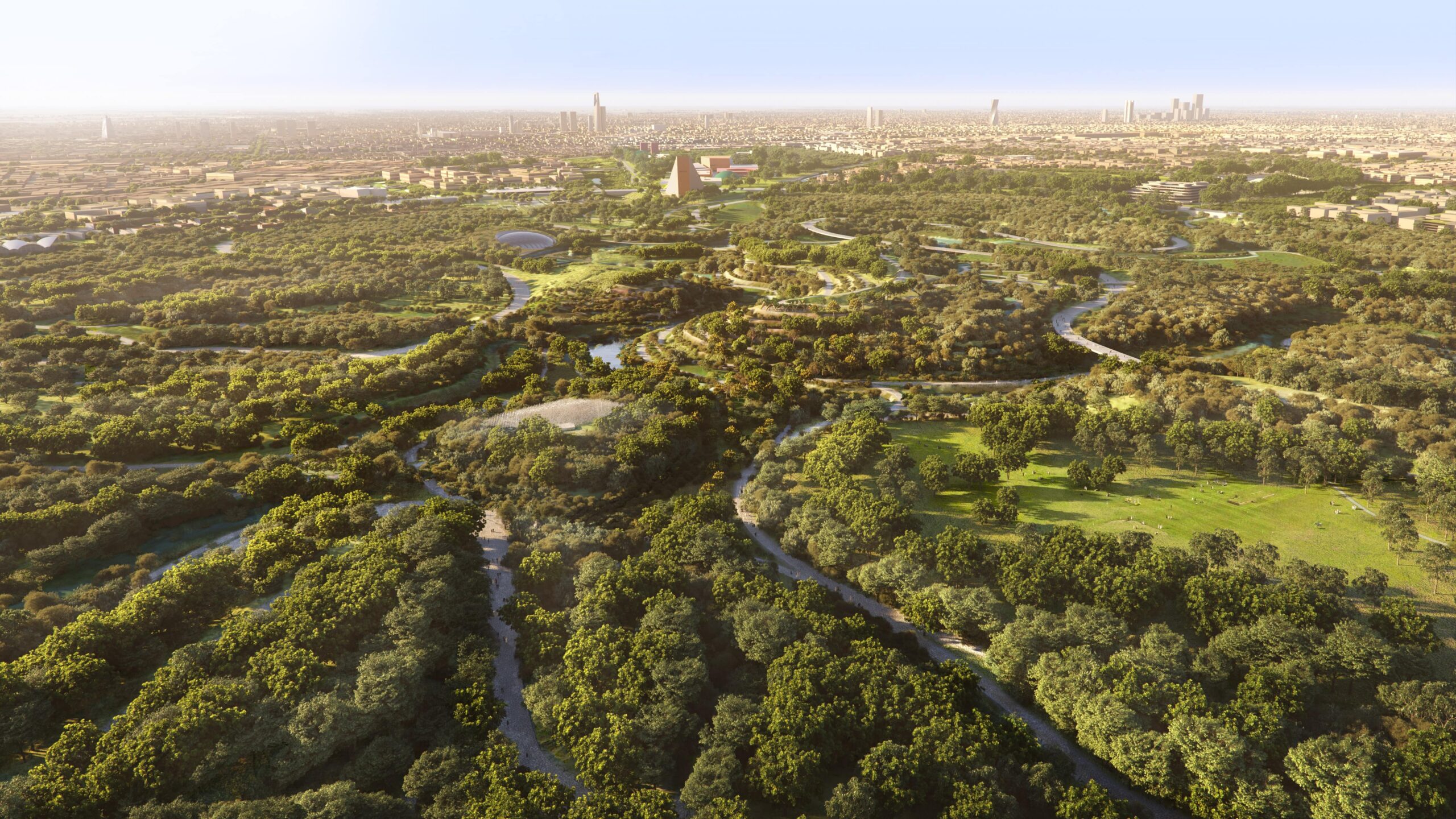
King Salman Park Project Saudi Arabia – King Salman Park Project (King Salman Gardens), initiated by the King Salman Park Foundation in Riyadh, is one of the biggest urban parks in the Middle East – it will also provide additional open space within Saudi Arabia’s capital city. The park, through its strategic development, will use new technology, install modern infrastructure, and promote environmental stewardship in order to improve quality of life for those who live in Saudi Arabia, as part of the national transformation plan outlined by the Saudi government through Vision 2030. Ultimately, King Salman Park will provide an integrated urban ecology through opportunities for tourism, recreation, and urban development with integrated urban residential, commercial, sports, culture and entertainment spaces. King Salman Park will cover approximately 16 Km2; however, the overall King Salman Park will be dependent on underground utility infrastructure for successful park performance. Thus far, there is underground utility infrastructure that has been constructed as a part of King Salman Park, while others remain under construction. The long-term cost effective performance and sustainability of underground utility infrastructure will be eliminated by using engineered piping products (HDPE piping, PVC piping, Corrugated Drainage Piping).
Infrastructure Components of the King Salman Park Project Saudi Arabia
King Salman Park Project in Saudi Arabia is a massive infrastructure system supporting millions of visitors each year along with providing recreational space.
The facility has extremely complex utility networks designed to provide reliable service under the extreme climate conditions of Saudi Arabia.
Landscape Irrigation Infrastructure – King Salman Park Project Saudi Arabia
The park’s sustainability strategy is based on irrigation systems as a foundation. Because of the desert climate where large green areas need to be maintained, efficient and effective water distribution systems are essential.
Primary components of irrigation infrastructure include:
• Irrigation pipe networks
• Pumping stations
• Water storage tanks
• Automated irrigation control systems
• Water recycling systems
The main types of irrigation materials used are:
• HDPE irrigation pipe
• PVC irrigation pipes
Stormwater and Drainage Infrastructure- King Salman Park Project Saudi Arabia
The significance of stormwater management is vital in the protection of landscapes, infrastructure and public facilities from flood events.
Typical infrastructure for this purpose includes:
- Surface drainage channels
- Underground drainage pipelines
- Stormwater retention basins
- Culvert systems
Commonly used systems for managing stormwater include:
- Corrugated HDPE pipes
- PVC drainpipes
Water Supply and Utility Networks- King Salman Park Project Saudi Arabia
In order for there to be dependable sources of water supply for public amenities, irrigation systems, and buildings, reliable water supply infrastructure is required.
There are some types of infrastructure, including:
- Pipelines distributing water
- Pumping stations
- Water storage reservoirs
- Facility equipment that allows for continued maintenance.
High-density polyethylene (HDPE) pressure pipes are used because they provide durability and resistance to corrosion.
Electrical and Telecom Infrastructure- King Salman Park Project Saudi Arabia
Contemporary parks need complex infrastructure, including communication and electrical systems, to support lighting, security cameras, and smart city technologies.
Infrastructure consists of:
- A network of electrical conduits located underground
- A fiber optic network
- Lighting devices
- Security and surveillance technologies
Common infrastructure materials include:
- PVC pipe
- HDPE ducts for telecommunications
- Microduct materials
Role of Pipes in the King Salman Park Project Saudi Arabia
Advanced piping systems play an integral part in the vast greenery that will be created at the King Salman Park Project in Saudi Arabia. The piping systems will support the project’s extensive network of transportation, irrigation, drainage, and smart utilities, along with providing long-term use that will withstand the harshness of the desert environment.
The new infrastructure design focuses on long-term sustainability, water conservation, and operational reliability. Engineers use a variety of high-performing piping materials (i.e., HDPE, PVC), structures (i.e., corrugated drainage pipe, ductile iron, microduct for telecommunications), and conform to various international and Saudi engineering standards, in order to maximize performance, meet load and pressure requirements, and provide adequate environmental protection.
The following provides a description of the different types of pipes utilized for the King Salman Park Project and the associated application, specification, and benefits associated with large-scale urban infrastructure development in Saudi Arabia.
HDPE Pipes in the King Salman Park Project Saudi Arabia
To supply adequate amounts of water to public facilities and irrigation systems, an adequate water supply infrastructure is needed. High Density Polyethylene (HDPE) Pipe is one of the most commonly used piping systems within the King Salman Park Development in Saudi Arabia due to its flexibility, watertight connections, and uncompromising level of resistance toward both chemical and corrosive substances. HDPE pipe is ideally suited for use in both irrigation and distribution systems that continuously serve a large landscape area.
Some areas of use for HDPE pipe include:
- Irrigation systems for landscaping
- Distribution networks for recycled water
- Potable water supply lines
- Utility infrastructure below ground
- Water delivery systems under pressure
- Water delivery and circulation systems for heating and cooling
The following are examples of water supply infrastructure that provide reliable supplies of water:
- Water Distribution Pipelines
- Water Pumping Stations
- Water Storage Facilities
- Equipment at Facilities to Allow for Ongoing Maintenance
HDPE Pressure Pipe provides the best combination of durability and corrosion resistance.
Technical Specifications
| Parameter | Specification |
|---|---|
| Material Grade | PE100 (High-Density Polyethylene) |
| Pressure Rating | PN6, PN10, PN16 |
| Diameter Range | 20 mm to 1200 mm |
| Operating Temperature | –20°C to +60°C |
| Service Life | 50 to 100 years |
PVC Pipes in the King Salman Park Project Saudi Arabia
PVC (Polyvinyl Chloride) piping is utilized in major public works projects such as drainage, irrigation, and electrical conduits. In the King Salman Park Project located in Saudi Arabia, PVC piping is used to provide an economical and dependable means to deliver non-pressurized utilities.
Primary Uses of PVC Piping
PVC piping can be utilized in the following applications:
* Drainage or wastewater
* Distribution of irrigation water
* Electrical conduits for cables
* Landscape water management system
* Installation of underground utilities
Technical Specifications
| Parameter | Specification |
|---|---|
| Material Type | PVC-U (Unplasticized Polyvinyl Chloride) |
| Diameter Range | 20 mm to 400 mm |
| Operating Temperature | 0°C to 60°C |
| Service Life | 40 to 50 years |
Performance Advantages
PVC pipes are lightweight, easy to install, and resistant to corrosion. Their long service life and low maintenance requirements make them suitable for large-scale infrastructure installations where reliability and efficiency are essential.
Corrugated HDPE Pipes in the King Salman Park Project Saudi Arabia
Corrugated High-Density Polyethylene (HDPE) pipes have been engineered to meet the demands of stormwater and drainage systems that require a high level of structural strength and flow capabilities. They are essential components in protecting a park’s infrastructure from flooding and water build-up during periods of excessive rainfall.
Primary Uses
Corrugated pipe is found in:
- Stormwater drainage systems
- Surface water management systems
- Underground drain systems
- Road and trail culverts
- Landscape drainage systems.
Technical Specifications
| Parameter | Specification |
|---|---|
| Material | High-Density Polyethylene (HDPE) |
| Structure | Double-wall corrugated |
| Diameter Range | 110 mm to 1000 mm |
| Ring Stiffness | SN4, SN8 |
Infrastructure Benefits
Corrugated HDPE pipes provide excellent load-bearing capacity and durability under heavy soil and traffic loads. Their flexible structure allows them to adapt to ground movement while maintaining structural integrity, making them essential for drainage infrastructure in the King Salman Park Project Saudi Arabia.
Ductile Iron Pipes in the King Salman Park Project Saudi Arabia
When strength and reliability matter, you can count on ductile iron pipe to provide both in a high-pressure water supply system. This means that ductile iron pipe is well-suited for use as the primary element of main water supply lines as well as municipal distribution networks.
Where They Are Used
Ductile iron pipe is commonly used as the principal component for the following:
- Main water supply pipelines
- Fire protection systems
- High-pressure water transmission lines
- Municipal utility networks
Why They Are Used
Ductile iron pipe provides the following advantages:
- Strength: Ductile iron pipe has high mechanical strength and long service life.
- Pressure Resistance: Ductile iron pipe has excellent resistance to internal pressure.
- Reliability: Ductile iron pipe has reliable performance in large infrastructure networks.
As a result of the above advantages, ductile iron pipe is ideal for critical water infrastructure projects such as the King Salman Park Project in Saudi Arabia.
Microduct and Telecom Duct Systems in the King Salman Park Project Saudi Arabia
Digital infrastructures form the backbone of the modern parks, which are utilized for security, lighting, and communication systems. Fiber optic cables and other communication network cable paths are kept safe and organized by Microduct & Telecom Duct systems.
Microduct systems are used in a variety of applications, including (but not limited to):
1. Fiber Optic Networks
2. Smart Lighting Control Systems
3. Security & Surveillance Networks
4. Internet Access & Data Connection Infrastructure
5. Smart City Monitoring
Microduct Systems provide excellent cable management allowing future expansion of the network with little or no excavation. This flexibility promotes the long-term infrastructure needs of the King Salman Park Project in Saudi Arabia.
Summary: Importance of Using the Right Pipe Types in the King Salman Park Project Saudi Arabia
Choosing the right materials for pipes is critical to the infrastructure system’s (i.e., sustainability, proper performance). The King Salman Park Project (KSPP) in Saudi Arabia is utilising multiple pipe technologies to assist in developing the irrigation, drainage, water supply, and communications networks throughout the park’s extensive urban landscape.
By leveraging such pipe solutions as HDPE (high-density polyethylene), PVC (polyvinyl chloride), both corrugated pipe, ductile mineral (or iron) piping systems, and duct systems for telecommunications, the KSPP will:
– Provide reliable water distribution
– Achieve effective and efficient management of stormwater
– Provide a safe and reliable electrical and telecommunications system
– Reduce maintenance costs
– Improve long-term operational sustainability.
These progressive piping solutions are the backbone of modern green infrastructure and will facilitate the practical implementation of one of the most significant urban development initiatives in Saudi Arabia.
Companies Involved in the King Salman Park Project Saudi Arabia Construction
Large infrastructure developments involve multiple contractors, consultants, and engineering firms responsible for planning, construction, and utility installation.
Developer
King Salman Park Foundation
Responsibilities:
- Project planning
- Infrastructure development
- Environmental design
- Utility coordination
Major Construction and Engineering Companies
Saudi Binladin Group
Typical responsibilities:
- Civil works
- Infrastructure construction
- Road and utility installation
Alfanar
Typical responsibilities:
- Electrical systems
- Power distribution
- Infrastructure installation
Saudi Telecom Company
Typical responsibilities:
- Fiber network deployment
- Telecom infrastructure
- Communication systems
Specifications Followed in the King Salman Park Project Saudi Arabia
The King Salman Park Project in Saudi Arabia has developed its infrastructure systems based on engineering specifications to ensure safety and longevity.
Some of the standard specification parameters that help ensure the performance of the infrastructure systems include:
- Material grade
- Diameter of the pipe
- Pressure that the pipe will handle
- Flow capacity
- Heat loss resistance
- How the pipe will be joined
Expected life span of the joint
The above specification parameters help guarantee that the infrastructure systems continue to function properly even when faced with adverse climatic conditions.
Standards Followed in the King Salman Park Project Saudi Arabia Construction
Infrastructure projects in Saudi Arabia must comply with national and international engineering standards.
International Standards
ISO 4427 — HDPE water pipes
ISO 1452 — PVC pressure pipes
EN 13476 — Corrugated drainage pipes
ASTM F714 — HDPE pipes
ASTM D1785 — PVC pipes
Saudi Standards
Saudi Building Code (SBC)
SASO Standards
Saudi Aramco Engineering Standards (where applicable)
These standards ensure:
- Safety
- Durability
- Environmental compliance
- Infrastructure reliability
How Saudi Ducts Supports the King Salman Park Project Saudi Arabia
To successfully deliver major infrastructure projects such as the King Salman Park in Saudi Arabia, it is critical to establish an efficient procurement process with dependable suppliers and technical assistance. To support these endeavors, Saudi Ducts provides structured access to accredited product suppliers within the construction industry.
Through supplier search and procurement assistance, Saudi Ducts has been able to:
• Provide contractors and engineers with the ability to identify accredited manufacturers
• Allow contractors and engineers to evaluate product specifications for comparison
• Establish a reliable source for procuring approved construction-related material
• Facilitate improved planning of the overall procurement process.
As a result, delays have been minimized and the construction continued to progress uninterrupted.
Technical Product Knowledge and Engineering Guidance
Saudi Ducts offers expertise with respect to:
- HDPE duct systems
- PVC conduit systems
- Corrugated drainage pipe systems
- Telecom duct systems
- Fiber installation accessories
This assistance enables engineers to choose the proper materials when designing and/or installing their infrastructure applications.
Support for Irrigation and Utility Infrastructure
Saudi Ducts supports infrastructure systems used in:
- Irrigation networks
- Drainage systems
- Electrical distribution
- Telecom infrastructure
Reliable utility infrastructure is essential for maintaining green landscapes and public facilities.
Helping Achieve Project Milestones
Saudi Ducts is providing support that will enable the completion of the King Salman Park project in Saudi Arabia. By contributing to improvements in the following areas, Saudi Ducts helps to ensure that such a major project is completed as planned and will continue to operate efficiently for many years to come:
- Supply chain efficiency
- Material availability
- Compliance with standards
- Scheduling construction
- Reliability of infrastructure
Conclusion – King Salman Park Project Saudi Arabia
The King Salman Park is one of the largest transforming urban green infrastructure projects in the City of Riyadh. It is a reflection of Saudi Arabia’s longer-term sustainability goals, livability goals and modern urban development goals, in alignment with Saudi Vision 2030.
Not only is the King Salman Park a recreational site, it is an integrated infrastructure eco-system of landscaping, transportation systems, utilities, irrigation and drainage systems, as well as smart city systems. A successful project will only be achieved if all of these systems are constructed in conjunction with advanced underground infrastructure networks, such as high-density polyethylene (HDPE) pipe systems, polyvinyl chloride (PVC) conduit systems, corrugated drainage systems, ductile iron pipe (DIP) systems and telecommunication microduct systems.
All of these pipe systems will contribute to the overall objectives of the King Salman Park Project, which include enhancing water usage efficiency, environmental sustainability and long-term operational reliability. The project will include everything from large-scale irrigation networks to managing stormwater runoff as well as providing fibre-optic connectivity. This project will demonstrate how innovative engineering and design of infrastructure can change urban areas into more sustainable green spaces.
In conclusion, the King Salman Park Project will create a worldwide model of how urban parks can be developed. It will also demonstrate the successful integration of infrastructure innovation and environmental planning in order to develop premier public spaces.
FAQs – King Salman Park Project Saudi Arabia
1. What is King Salman Park?
King Salman Park is a large urban nature park under construction in Riyadh, representing a new class of urban parks that will include integrated infrastructure systems making the park one of the world’s largest.
2. Where is King Salman Park?
King Salman Park is located in Riyadh, which is the capital of Saudi Arabia.
3. What is the primary goal of King Salman Park?
King Salman Park’s primary goal is to improve the quality of life of its citizens by providing green spaces, as well as recreational, cultural, and sustainable urban infrastructure.
4. What types of piping systems are being used for the infrastructure at King Salman Park?
Piping materials for the park include: HDPE, PVC, corrugated drainage, ductile iron, and telecommunications microducts.
5. Why are HDPE pipes used for King Salman Park?
HDPE piping will be used for irrigation and water systems because of their long service life and the unique physical properties (e.g., durability, flexibility, corrosion resistance) associated with their use.
6. In what way do PVC pipes contribute to the project?
PVC pipes play an important part in the project when used as drainage systems and electrical conduits, or in applications where you do not have to pressurize them.
7. What are the functions of the corrugated pipes found at the park?
The corrugated HDPE is a material that can be used to help with storm water drainage, as well as flood control and underground water management systems.
8. Are there any standards or codes of conduct that are being followed when constructing the King Salman Park?
The King Salman Project is following ISO, ASTM, EN standards as well as the Saudi Building Code (SBC) and all of the other national codes or regulations regarding construction.
9. Do you think the irrigation infrastructure at the King Salman Park is necessary?
Yes, because Riyadh has a desert climate, you must have sophisticated irrigation systems that can help to support a green environment and ensure that the landscape remains sustainable.
10. In what way does the King Salman Park help to support the objectives of Saudi Vision 2030?
The King Salman Park supports the objectives of Saudi Vision 2030 by providing an improved livable urban environment, increasing the amount of green space in Riyadh, and promoting the sustainable development of infrastructure.