
- By Saudi Ducts Team
- February 19, 2026
- 0 Comment
Sindalah NEOM Red Sea Island – Luxury Tourism
Introduction: Sindalah NEOM Red Sea island- Saudi Arabia’s Iconic Luxury Island
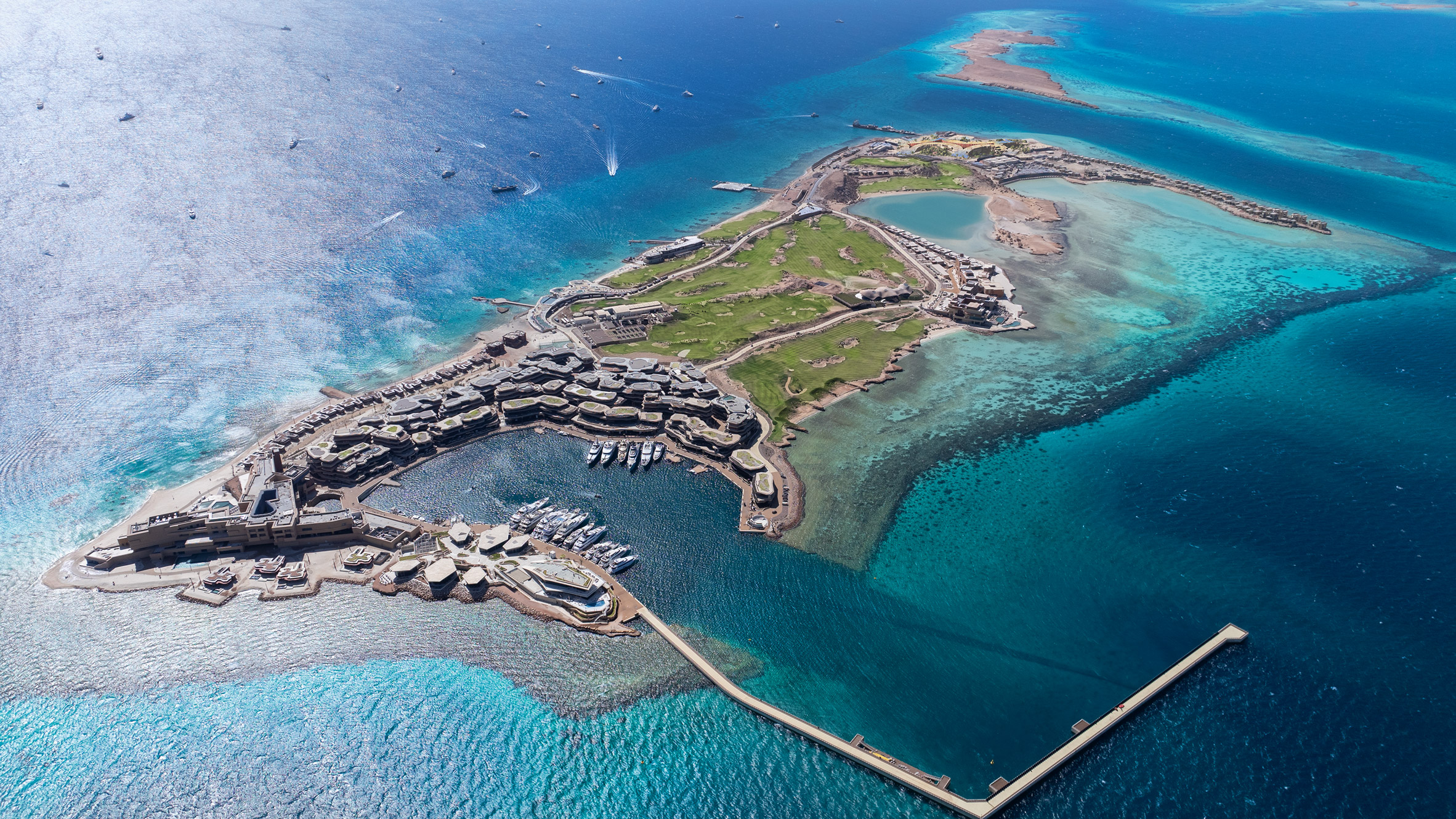
Sindalah Island NEOM – Sindalah NEOM: Sindalah Island is an important part of the Neom’s distinct development on the Red Sea a futuristic mega city that would become one of the most sought after luxury tourism resorts in the Kingdom of Saudi Arabia by 2030 as indicated in the Vision 2030 program. In addition, there will be world-class hospitality, marine-based recreational activities, and environmentally sustainable or eco-friendly infrastructure on Sindalah Island.
Sindalah Island is planned to consist of 840,000 sq. m of development including resorts, marinas, beach clubs, luxury residences, eco-friendly recreational areas, etc. It will become First in the Kingdom to combine sustainable design with smart technology and luxury tourism to develop a year-round luxury destination, and showcase the Kingdom’s commitment to building a diverse economy away from oil revenue.
To successfully develop the Sindalah project, a robust infrastructure will be required. The installation of high density polyethylene (HDPE), polyvinyl chloride (PVC), corrugated piping, telecommunications ducting, and related accessories will provide the required infrastructure to support the necessary water service, wastewater service and stormwater reclaim systems, electrical services, and optical fibre networks for the luxury and smart city aspects of the project.
The Role of Pipes in -Sindalah Island NEOM
Infrastructure Applications: Sindalah NEOM Red Sea island
1. Water Distribution and Supply
The provision of potable water to villas, resorts, and industrial facilities in the area is via HDPE (high density polyethylene) and PVC (polyvinyl chloride) pipe systems. Fire suppression systems are powered by pipes of both types as well, contributing to the overall safety of the island.
2.Wastewater/Sewage Collection
Through a large and growing network of PVC and HDPE pipelines, the efficient management of waste material is possible, as well as the treatment of that waste water utilising eco-friendly methods while sustaining the island’s environmental balance.
3.Telecommunications/Fibre Network
Microducts with a thinner wall (usually PVC material), act as conduits for the installation of fibre optic (glass fibre) cable systems and are utilized to provide high-speed broadband services via the Internet, including would support both IoT functions and smart/shared tourism applications.
4. Electrical Network
HDPE and PVC conduits protect electrical wiring which provide power to resorts/marinas and utilities on the island and, therefore, ensure that services to customers are not interrupted.
5. Storm Water Drainage
Used primarily for stormwater drainage, corrugated pipes in nature are also used to protect roads/pathways from stormwater runoff and provide adequate drainage whether on or off of high-load industrial areas.
Key Takeaway: Without reliable piping systems, Sindalah’s luxury tourism and smart infrastructure would be compromised.
Construction Companies Involved in Sindalah NEOM Red Sea island
The construction of the Sindalah development will utilise a combination of international and regional construction leaders to achieve the desired results.
- Bechtel: is responsible for all eco-friendly civil engineering and EPC works associated with the industrial and marine infrastructures associated with this project.
- AECOM: is responsible for the infrastructure design, urban planning, and overall project management of the Sindalah project.
- Hyundai Engineering and Samsung C & T: are responsible for the construction of luxury resorts, marina, and port facilities.
- Nesma and Saudi Binladin :are responsible for local civil works, public utilities, and industrial services.
- Specialised contractors: are responsible for constructing yacht berths, floating docks and other port facilities.
To achieve project deadlines and meet the requirements of Vision 2030, all of these companies require high-quality, standard-compliant pipe systems.
Types of Pipes Used in Sindalah Island NEOM
1. HDPE Pipes (High-Density Polyethylene)
HDPE pipes are commonly utilized for many purposes, including but not limited to, transferring potable water; distributing industrial water; and serving as underground utility and fiber-optic microduct systems.
The characteristics that lead to the popularity of HDPE for these applications are:
1. Durability/elasticity
2. Chemical/corrosion resistance
3. Long service life in both the marine and industrial environments
Some examples of HDPE applications are:
1. Potable water mains
2. Distribution of industrial water
3. Underground utility and fiber-optic microduct systems
Specifications:
| Feature | Range |
|---|---|
| Diameter | 32mm – 1200mm |
| Material Grades | PE63, PE80, PE100 |
| Pressure Ratings | PN6 – PN25 |
| Wall Class | SDR 9 – SDR 21 |
| Jointing | Butt fusion, electrofusion, flanged |
2. PVC Pipes (Polyvinyl Chloride)
PVC pipes are lightweight, corrosion-resistant, and ideal for:
Gravity sewage systems
Low-pressure water lines
Electrical and telecom conduits
Specifications:
| Feature | Range |
|---|---|
| Diameter | 20mm – 500mm |
| Pressure Class | B, C, D |
| Standards | SASO, ASTM D1785, BS EN 1401 |
3. Corrugated Pipes
Corrugated pipes manage stormwater, drainage, and high-load areas with excellent structural integrity.
Applications:
- Surface runoff management
- Road and pathway protection
- Heavy-load industrial zones
Specifications:
| Feature | Range |
|---|---|
| Diameter | 50mm – 1200mm |
| Ring Stiffness | SN4, SN8, SN16 |
| Material | HDPE Single or Double Wall |
4. Telecom Ducts & Microducts
FTTx Networks, Smart Cities, IoT Devices, and Fiber-to-the-Home Networks are all built with HDPE Microducts and PVC Conduits for the protection of Fiber Optic Cable.
Applications of these products include:
– FTTx – Fiber To The Home Networks.
– Resort, Marina, and Utility Broadband Connectivity.
– Internet of Things {IoT} Devices and Smart Tourism Systems.
Construction Standards & Compliance
Standard Regulations from Saudia Arabia & GCC Region
- SASO Regulations: Material Quality and Installation Requirements
- Saudi Building Code (SBC) Regulations: For Both Underground & Exposed Piping Systems
International Standards & Practices
- ISO 4427; EN 12201; ASTM D3035: Polyethylene (PE) Piping for Water and Sewage Systems
- ASTM D1785; BS EN 1401: PVC Piping Standards
- IEC 61386-24; ITU-T L.12: Telecommunications Conduit Standards
- DIN 8074 & 8075: Structural Piping Standards for All Types of Plastics
By Following These Standards, Sindalah (NEOM) Can Ensure Long Lasting Durability, Safety, & Efficiency of Operations.
Importance of Saudi Ducts in Sindalah NEOM Red Sea island
Saudi Ducts is a pivotal contributor to the successful delivery of Sindalah NEOM Red Sea island by creating:
1.Complete Product Availability:
Including HDPE ducts, PVC conduits, corrugated pipes, microducts and telecom accessories.
2. Standards & Compliance Consultation:
Providing expertise in compliance with SASO/ISO/ASTM/IEC/SBC standard requirements for risk-free installation.
3. Certified Vendor Relationships:
Offering EPC contractors and real estate developers access to certified manufacturers and suppliers throughout Saudi Arabia and the GCC.
4. Technical Support and Application Experience:
Providing direction on FTTX, electrical conduit, fibre optics, and water/drainage pipeline installation.
5. Streamlined Purchasing Experience:
Facilitating direct purchasing transactions and supply chain logistics between buyers and suppliers for all project types.
Outcome: Saudi Ducts provides Sindalah with the ability to meet project deadlines with excellence and allows luxury developments, resorts and smart city development to be developed per the global standard.
Future-Proofing Sindalah NEOM Red Sea island
Providing the proper piping solutions provides the following benefits:
Dependability – Uninterrupted service for water & energy, bolstered by telecommunications.
Compliance – Meeting Saudi Arabia’s Vision 2030 objectives related to sustainable development and quality
Efficacy – Timely delivery of smart city systems in an efficient manner to support luxury amenities
Scalability – Allowing an increase in size for resorts, marina expansion and smart infrastructure development
Luxury Tourism & Lifestyle Features
The designs for Sindalah NEOM Red Sea island will feature:
• High-End Resorts, Branded Hotels
• Luxury Beaches Clubs & Wellness Centers
• World Class Marinas & Yacht Facilities
• Eco-Friendly Residential Villas
• Marine Biodiversity & Diving Activities
The above uses of water, waste, and connectivity will be dependent on a network of piping systems for efficient delivery from source to consumption and for eliminating residuals from point to location where they will be recycled or disposed.
Economic & Social Impact of Sindalah NEOM Red Sea island
- The creation of thousands of jobs in the hospitality, leisure, maritime services, and utilities sectors.
- Increase foreign exchange revenues from tourism and attract foreign direct investments into Saudi Arabia.
- Further position Saudi Arabia as a destination for luxury and tourism on a global scale.
A high-quality pipe system provides the resilience to infrastructure, thus allowing for the sustainable growth of the economy and Vision 2030’s continued success.
Conclusion:Sindalah Island NEOM
Sindalah NEOM, a luxurious Red Sea island, is also a prototype of Saudi Arabia’s Vision 2030 to create sustainable, cutting-edge, world-class tourism. There are many luxuries on the island, including hotels and marinas, along with eco-friendly homes. To properly support these amenities and create enriching experiences, the island will require a strong quality infrastructure for continuous service.
The HDPE, PVC, corrugated piping, and telecom microduct piping will be used to provide reliable sources of fresh water, manage wastewater, provide proper stormwater drainage, and deliver electrical and fiber-optic services to the resort, villas, marinas, and hotel on the island. These are constructed in accordance with SASO, Saudi Building Code, ISO, ASTM, and IEC standards, ensuring appropriate safety and durability of these systems.
Saudi Ducts is an essential part of making Sindalah successful because it is the primary source of verified HDPE, PVC, corrugated, and telecom duct suppliers in Saudi Arabia and the GCC. Through their vast knowledge of products and guidelines, Saudi Ducts provides EPC contractors, developers, and utilities with essential information on selecting the correct piping systems for large infrastructure projects like Sindalah. Proper procurement, logistics, and supplier connections are also streamlined through Saudi Ducts enabling projects to be completed on schedule and in accordance with Vision 2030 standards.
In conclusion, Sindalah NEOM is a demonstration of Saudi Arabia’s leading role as an innovator in luxury and smart infrastructure tourism. This project is the product of a partnership between multiple businesses and industries.
Key Takeaways:
Partnering with Saudi Ducts ensures Sindalah NEOM’s luxury infrastructure is world-class, standards-compliant, and fully aligned with Vision 2030 goals.”
- Learn more about Sindalah NEOM: CLICK HERE!
- Arab News – Saudi Arabia opens Sindalah in NEOM as part of Vision 2030 tourism drive: Arab news
Frequently Asked Questions About - Sindalah Island NEOM
1.What is Sindalah NEOM in Saudi Arabia?
Sindalah is a luxury resort island located in the Red Sea that is part of the larger NEOM project and consists of resorts, marinas, and different types of tourism.
2.Which companies are developing Sindalah Island?
The companies that are developing Sindalah Island include Bechtel, AECOM, Hyundai Engineering, Samsung C&T, and Saudi Binladin Group.
3. What types of pipes are used in the infrastructure of Sindalah Island?
The infrastructure of Sindalah Island includes a variety of pipes, including HDPE, PVC, corrugated pipes, and telecom microducts, which will be used to provide water supply, sewage disposal, stormwater drainage, electricity, and telecommunications throughout the island.
4. What are the advantages of using HDPE pipes in Sindalah NEOM?
The primary advantages of using HDPE pipes in Sindalah NEOM are their flexibility, durability, resistance to chemical attack, and their long-term performance for providing water and utility services.
5. What is the application of PVC pipes in Sindalah?
PVC pipes will be used to transport gravity sewage, distribute low-pressure potable water, and provide conduit for electrical and telecommunications equipment in Sindalah.
6. What is the function of corrugated pipe in Sindalah?
Corrugated pipe is used for managing stormwater, drainage and heavy-load areas to ensure adequate structural support across the island.
7. What pipeline standards are applicable to Sindalah?
Pipes must conform to SASO, the Saudi Building Code, ISO 4427, ASTM, EN 1401 and IEC standards.
8. What is the purpose of telecom microducts on Sindalah?
Microducts are used to protect fiber-optic cables for FTTx networks, broadband connectivity and smart city Internet of Things (IoT) systems.
9.How does Saudi Ducts support NEOM Sindalah?
Saudi Ducts provides a way for contractors to connect to manufacturers/suppliers of certified HDPE, PVC, corrugated and telecom ducts, complete with information about the applicable standards.
10.Why is proper piping necessary for the delivery of luxury services in Sindalah?
Using high-quality piping will provide reliable water, power, drainage and telecommunications systems for resorts, marinas and smart infrastructure.