
- By Saudi Ducts Team
- January 17, 2026
- 0 Comment
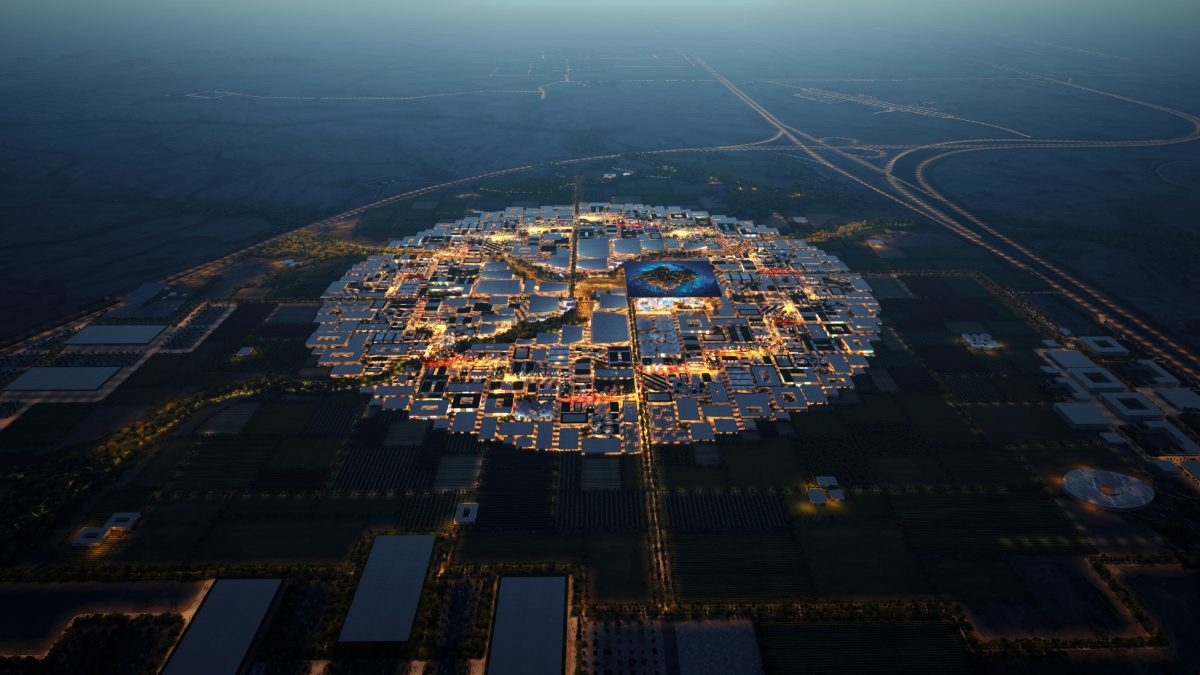
Project Saudi Expo 2030, Riyadh: Vision, Infrastructure & How Saudi Ducts Supports the Future
Introduction: Saudi Expo 2030 – A Visionary Mega Project
The Saudi Expo 2030, scheduled to take place in Riyadh, is a revolutionary mega-development project that aligns with the Saudi Vision 2030. The Saudi Expo will position Saudi Arabia as a global center for creative entrepreneurship, business, tourism and culture, and attract millions of tourists globally.
The Saudi Expo is not simply an exhibition; rather, it is a major collaborative country-wide project meant to develop the Kingdom’s capabilities and potential in areas like urban planning, infrastructure development, technology, and sustainability.
For an event of this scale to be successful, there has to be a well-designed and reliable infrastructure system, including an extensive underground network of pipes and channels that create the utility networks required to deliver telecommunications services, electrical power, water, and drainage as well as smart city technologies.
Some of the essential components of the Saudi Expo 2030 infrastructure include:
- Telecommunications networks (high-speed fibre optic cable and 5G/6G readiness)
- Residential and commercial electric grids plus smart power distribution
- Water, sewage, and stormwater infrastructure
- Utilities and Internet of Things (IoT) technology for smart cities
Among these essential components, there exists a diverse assortment of infrastructures (such as high-density polyethylene pipes, PVC conduits, corrugated pipes, microducts, etc.) that ensure safety and compliance in addition to being scalable to meet future demands.
1. Vision & Significance of Saudi Expo 2030
Saudi Expo 2030 has four main goals for promoting:
– To prove Saudi Arabia’s status as a global cultural and innovative centre
– To promote the development of tourism and hospitality
– To promote investments in technology and infrastructure
– To promote the remit of economic diversification through Vision 2030
To succeed with these four goals, the infrastructure supporting the Expo will need to be robust, durable and integrated into the surrounding urban area through a network of pipes and ducts that provide the backbone for telecommunications systems, electrical systems, water systems and utility providers.
2. Role of Pipes & Ducts in Saudi Expo 2030 Infrastructure
2.1 Telecom & Digital Connectivity
The advanced telecommunications infrastructure plays a vital role in providing for Connecting Saudi Expo 2030:
- FTTx – Fibre-to-the-Premises for Exhibitors
- For Visitors – High-speed connectivity
- IoT-enabled Smart facilities
- Digital Signage / Interactive Experience.
HDPE ducts are crucial to these applications as they protect the fibre optic cable infrastructure while enabling future enhancements of that infrastructure without disruption to surface infrastructure.
Ducting products used:
- HDPE Main Ducts (110-315mm) for Backbone Networks
- HDPE Microducts for FTTx connectivity
- HDPE Corrugated Ducts for areas of heavy foot traffic and/or soil movement.
2.2 Electrical & Power Networks
The electric infrastructure of the Saudi Expo 2030 will i.e :
– Provide low & medium voltage distributions
– Provide alternate power systems for critical areas
– Create architectural/landscape lighting
– Create IoT enabled smart Storage Energy Management architecture.
Cables will be routed securely within the PVC or HDPE conduit utilizing both types conduit offer mechanical protection from physical impact.’ PVC works best with indoor electrical construction, while HDPE conduit is preferred for outdoor, underground, high traffic locations.
2.3 Water, Drainage, and Utility Infrastructure
Saudi Expo 2030 covers a significant area and therefore requires extensive water supply, sewage and stormwater drainage systems, and irrigation systems. The pipe types include:
• High Density Polyethylene (HDPE) Pipes for potable water and irrigation
• Polyvinyl Chloride (PVC) Pipes for the sewer and drainage
• Corrugated HDPE Pipe in heavy loading/ high traffic areas
These pipe types were chosen based on their durability, resistance to chemicals, and minimal maintenance in order to provide long-term performance through the Expo and future years.
3. Types of Pipes & Ducts Used in Saudi Expo 2030
3.1 HDPE Ducts
HDPE (high-density polyethylene) is used in underground utility (including telecom) and communication applications for various reasons, including:
- Tensile strength and impact resistance
- Resistance to UV, Chemical and Corrosive Elements
- Flexibility of product allowing trenchless installation
- Long design life (50 plus years)
Applications:
- Backbone fibre optic networks
- FTTx microduct fibre optic networks
- Utility corridors/cross through roads/plazas
- Corrugated passive ducts in dynamic environments
3.2 PVC Pipes & Conduits
PVC (plastic composed of polyvinyl chloride) continues to be a necessary material for:
* Electrical conduit for inside buildings
* Low-pressure drainage and water systems
* Service sleeves/protective conduit
Benefits of using PVC:
* Easy to handle due to its light weight
* Corrosion free
* Will be more cost effective when used in mass quantities
PVC conduits and pipes will enable Expo infrastructure to provide a safe and code-compliant installation at the speed of light.
3.3 Corrugated Pipes
Corrugated HDPE pipes are required where significant amounts of mechanical stress occur; for example:
- Where roads cross
- Where there is heavy pedestrian traffic
- Areas that are subject to settlement or vibration
They have sufficient structural strength and sufficient flexibility that will help avoid crushing and/or deformation from high
3.4 Accessories & Installation Components
As part of their overall design, Larger than Average Projects require additional components for long-term durability:
- End Caps
- Plugs
- Duct spacer
- Duct coupling
- Warning tape
- Warning Marker
The above accessories are important for installing a project properly, meeting codes, and ensuring maintenance is easy.
4. EPC Contractors & Construction Companies Involved
Saudi Expo 2030 involves:
- Industry-leading Saudi EPC contractors focusing on civil works, electrical, and utility infrastructure
- Contractors will specialize in both historic preservation and modern architectural design
- Telecom operators and Smart City technology developers
- Utility services for water, drainage, and power
The selection of pipes, ducts, and suppliers directly affects:
- Installation efficiency
- Compliance with codes and standards
- Long-term performance and safety
- Adherence to schedule.
5. Standards & Specifications Followed
5.1 Standards For HDPE Ducts & Telecommunications
- STC VD-101 & VD-102 are standards for either corrugated or simple straight boring of pipe.
- ISO 4427 sets the parameters and specifications for PE100 material.
- Blowing and crushing tests establish any limitations in the physical performance of these ducts.
5.2 Saudi Aramco Technical Standards
- SAMSS-051 specifies what materials may be used in HDPE construction.
- SAES-S-070 describes non-metallic piping systems.
- SAES-T-007 is a guide for the installation and testing of telecommunications ducts.
5.3 Required Compliance with Civil and Utility Regulations
- Testing Mandrel for all HDPE Ducts
- Bending Radius Minimums
- Distance Between Utilities and Depth Standards
- Material Certifications and Traceability
If the above criteria are followed strictly, it will assure the reliability, safety, and regulatory compliance for Saudi Expo 2030.
6. How SaudiDucts Supports Saudi Expo 2030
A B2B site for commercial and technical information and finding suppliers is Saudi Ducts which connects EPC (engineering, procurement, construction) contractors, telecom operators, and developers with qualified manufacturers and distributors through certified companies in Saudi Arabia and the Gulf Cooperation Council countries (GCC).
6.1 Supplier Discovery
- Access to certified, registered manufacturers
- Access to HDPE, PVC, corrugated ducts, micro ducts and accessories
- Product certification and verification
6.2 Product Knowledge and Standards
- Product specifications with information on FTTx, electrical networks, and utility installations
- Guidance on complying with regulations
6.3 Procurement Fulfilling Requirements
- Quickly find the right supplier with less wait time
- Reduce specification mismatches
- Commercial contracts, pricing and logistics directly between buyer and seller.
7. Importance of SaudiDucts for Vision 2030 Projects
Saudi Expo 2030, as with all other Vision 2030 mega-projects, requires:
-High level infrastructure
-Compliance with Saudi and international standards
-Scalable and future-proof solutions
-Reliable sourcing of HDPE, PVC and corrugated ducts.
Saudi Ducts supports project teams to save time, reduce risk and meet milestones with efficiency by providing a bridge between the design and delivery of the project.
Conclusion: Building Saudi Expo 2030 on Robust Infrastructure
Riyadh’s Saudi Expo 2030 is a landmark mega-project showing Saudi Arabia’s commitment to developing innovation, culture, and sustainability.
High-performance networks of HDPE ducts, PVC conduits, corrugated pipes, and utility systems beneath the amazing pavilions and visitor areas provide:
- Reliable telecommunications and digital connections
- Safe and code-compliant electrical distribution
- Efficient water and wastewater systems
- Long-lasting infrastructure for future-proofing.
Connections between developers and EPC contractors, and verified suppliers through platforms such as SaudiDucts will help ensure a strong, standards-compliant foundation will be developed for Saudi Expo 2030 to help accomplish the Kingdom’s Vision 2030 plan for years to come.
FAQs: Saudi Expo 2030, Riyadh
1. What is Saudi Expo 2030 in Riyadh?
Saudi Expo 2030 is a mega-development project in Riyadh designed to showcase Saudi Arabia’s culture, innovation, and investment opportunities under Vision 2030.
2. Why is Saudi Expo 2030 important for Saudi Vision 2030?
The Expo supports Vision 2030 by promoting tourism, economic diversification, smart-city development, and global business opportunities in Saudi Arabia.
3. How are pipes and ducts used in Saudi Expo 2030?
Pipes and ducts are essential for underground telecom networks, electrical systems, water supply, drainage, and smart-city infrastructure, ensuring seamless functionality without affecting surface structures.
4. Which types of pipes are used in Saudi Expo 2030?
The project uses HDPE ducts, PVC conduits, corrugated HDPE pipes, and microducts for telecom, electrical, water, and drainage systems across the Expo site.
5. Why are HDPE ducts preferred for telecom infrastructure?
HDPE ducts are strong, flexible, UV-resistant, and compatible with fibre-blowing technology, making them ideal for FTTx and high-speed telecom networks.
6. Where are PVC pipes and conduits used in the Expo project?
PVC conduits are used for electrical wiring, building services, low-pressure water systems, and drainage applications, providing insulation and corrosion resistance.
7. What standards are followed for pipes and ducts in Saudi Expo 2030?
The project follows STC VD-101 & VD-102, Saudi Aramco SAMSS & SAES, ISO standards, and municipal regulations for HDPE, PVC, and utility piping.
8. Which construction companies are working on Saudi Expo 2030?
The project involves leading Saudi and international EPC contractors, heritage restoration specialists, civil engineers, and telecom system integrators.
9. How does SaudiDucts support Saudi Expo 2030 infrastructure?
SaudiDucts connects contractors and developers with certified suppliers, provides technical knowledge, and ensures compliance with Saudi and GCC standards for HDPE, PVC, and corrugated ducts.
10. Can SaudiDucts provide guidance for FTTx and smart-city projects?
Yes, SaudiDucts offers insights on HDPE microducts, main ducts, accessories, and installation best practices, ensuring smooth deployment of telecom and smart-city networks.