
- By Saudi Ducts Team
- July 2, 2026
- 0 Comment
King Abdullah Gardens: Saudi Green Infrastructure Project
Introduction - King Abdullah Gardens
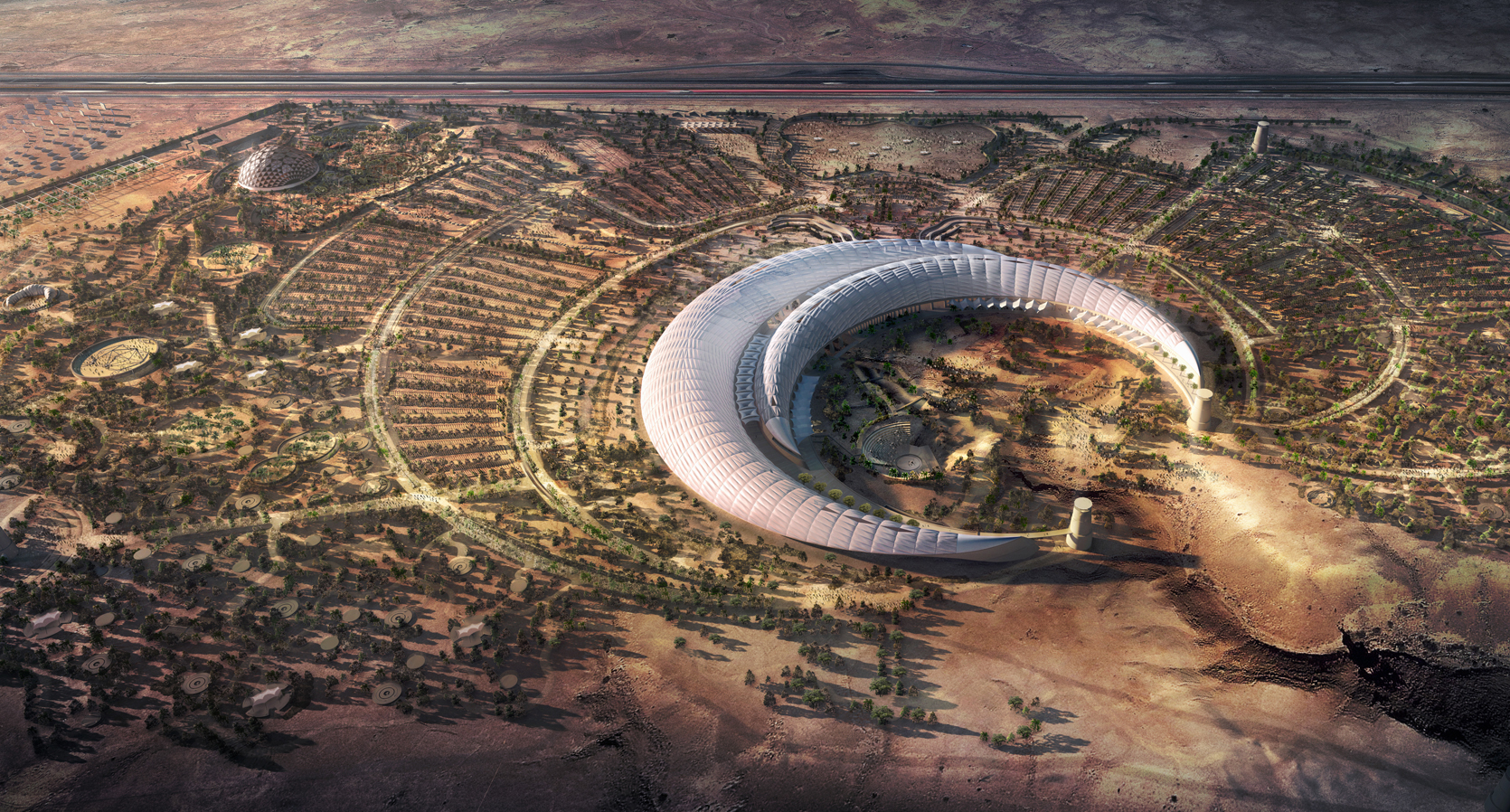
King Abdullah Gardens – The Saudi Vision 2030 plan is leading to the rapid urbanization of Saudi Arabia through the development of projects beyond traditional urban elements such as office buildings, transit systems or business districts. In addition to larger urban developments, the Kingdom of Saudi Arabia will be incorporating green infrastructure into urban planning; thereby creating more environmentally sustainable cities and building healthy communities through community constructed environments. One of the most innovative tools to achieve this goal is the King Abdullah Gardens project. This initiative is designed to be an ideal blended destination of education, recreation and nature while providing visitors with an extraordinary botanical landscape through state-of-the-art infrastructure.
King Abdullah Gardens represents Saudi Arabia’s commitment to providing more park-like settings and green spaces for its residents and developing environmentally sustainable urban development. The structure created at this extraordinary site will provide visitors with an abundance of botanical diversity comprised of sustainable landscapes; recreational amenities that encourage active living and opportunities for children to recreate; and educational opportunities promoting sustainability awareness.
Unlike most other public parks, King Abdullah Gardens will incorporate advanced engineering techniques, smart irrigation technology, underground utility corridors, digital monitoring technology and environmentally sustainable design principles.
Vision Behind King Abdullah Gardens
King Abdullah Gardens aims at not just making beautiful open green areas, but they will also serve as a worldwide model for ecologically sound urban landscaping, thereby balancing environmental sustainability with economic development.
The project will achieve that through its key objectives, which include, but aren’t limited to:
– Development of green infrastructure across Saudi Arabia.
– Improvement of air quality in urban areas.
– Conservation of biodiversity.
– Promotion of healthy lifestyles through outdoor activities.
– Development of educational opportunities related to environmental sciences.
– Enhanced tourism and community participation.
– Promotion of sustainable water management practices.
– Contribution to Saudi Vision 2030 quality of life goals.
King Abdullah Gardens will help create healthier and more sustainable cities by utilizing state-of-the-art engineering technologies along with eco-design principles.
Why Green Infrastructure Matters
Roads and buildings alone do not make up the modern city; therefore, green infrastructure is a significant part of the contemporary city and its sustainable development because it has an environmental, economic and social benefit concurrently.
The King Abdullah Gardens is an example of how green infrastructure can enhance individual lives by providing thoughtfully planned, landscaped & integrated utility services.
Environmental benefits of large green areas
- Improved air quality.
- Lowering of the urban temperature.
- Dust capture.
Increased biodiversity. - Reduced soil erosion.
- Supporting natural ecosystems.
Social benefits from public green spaces to
- Encourage walking/cycling.
- Encourage outdoor play/active living.
- Encourage community interaction.
- Encourage activities with family.
- Promote mental well-being.
Promote education.
Economic effects of well-designed landscape development will increase:
- Tourism.
- Real estate/property value.
- Commercial activity.
- Investment opportunities.
- Employment.
The King Abdullah Gardens project includes all these benefits together, while contributing to the sustainable development of urban areas.
Master Plan of King Abdullah Gardens
The master plan for King Abdullah Gardens includes environmental design along with modern public infrastructure.
The major components of the project are:
Botanical Gardens – King Abdullah Gardens
There are collections of both native and non-native plant species that will provide opportunities for education and the protection of biodiversity.
Recreational Parks – King Abdullah Gardens
There are wide open green spaces available for sports, relaxation, and family activities.
Educational Facilities- King Abdullah Gardens
Environmental education facilities will encourage the development of awareness for sustainability, conservation, and scientific research.
Lakes/Water Features – King Abdullah Gardens
Artificial lakes will provide aesthetics, and help to control the microclimate.
Biking/Walking Trails- King Abdullah Gardens
Bicycle/walking trails will promote an active lifestyle and minimize reliance on vehicles within the parks.
Cultural Spaces – King Abdullah Gardens
Cultural spaces, including outdoor venues for events, exhibition spaces, and places for people to gather as a community will strengthen social interaction among communities.
Unique Features of King Abdullah Gardens
Sustainable Landscape Architecture – King Abdullah Gardens
Building on traditional parks, King Abdullah Gardens was created as a sustainable landscaped facility hence, it was developed using sustainable landscaping principles, decreasing maintenance requirements while maximizing the environmental performance of the site.
The use of indigenous and climate-adapted vegetation types enables minimum use of water without compromising aesthetic appeal.
Water-Smart Irrigation – King Abdullah Gardens
Water use efficiency is critical in Saudi Arabia’s climate.
The project utilises smart irrigation technology to measure:
- The moisture level of the soil
- Weather conditions
- Water pressure
- The timing of irrigation schedules
These smart irrigation technologies help to ensure that sufficient water is used to maintain healthy landscapes.
Climate-Responsive Design – King Abdullah Gardens
Landscape architects have to take into account the following elements to arrive at the best design for the project:
- Solar exposure
- Winds
- Distribution of shade
- Heat mitigation
- Visitor comfort
These design elements help produce enjoyable outdoor conditions throughout the year.
Increase Biodiversity – King Abdullah Gardens
The gardens offer ecological diversity by providing a variety of plant species that will benefit birds, pollinators and other beneficial wildlife while also maintaining the health of the ecology of the area.
Energy-Saving Public Spaces – King Abdullah Gardens
Lighting, utilities and park facilities are all designed with an emphasis on energy efficiency.
Energy-efficient lighting (including LED), smart controls and energy-efficient electrical systems help reduce operating expenses while supporting sustainability objectives.
Smart Technologies in King Abdullah Gardens
Technology is becoming an essential part of most current landscape development. The King Abdullah Gardens project will include each of the following technologies integrated into the overall system:- Smart irrigation systems
– Environmental monitoring devices
– Intelligent lighting
– Public Wi-Fi
– Security surveillance systems
– Visitor info systems
– Digital maintenance platforms
All of these technologies will allow for improved operation and efficiency, and lower maintenance costs.
Supporting Saudi Vision 2030 - King Abdullah Gardens
The King Abdullah Gardens project contributes directly to the objectives of Saudi Vision 2030 by:
- Expanding green infrastructure
- Enhancing quality of life
- Promoting environmental sustainability
- Supporting tourism
- Creating healthier cities
- Encouraging community participation
- Improving urban resilience
The project demonstrates that infrastructure development can successfully integrate engineering excellence with environmental responsibility.
Advanced Green Infrastructure Behind King Abdullah Gardens
The incredible beauty of King Abdullah Gardens is the result of the innovative engineering systems which are hidden under its landscaping. Each of the trees, flowering gardens, shaded paths, lakes, lawns for recreation, and collections of botanical plants has been established using a carefully designed underground network of infrastructure. This infrastructure efficiently provides water, electricity, communication systems and adequate drainage.
Botanical and landscape projects require an infrastructure that works in conjunction with the natural environment, and this is in contrast to commercial and/or residential developments. Engineers must provide for the reliable irrigation of all plantings, assure that the roots of plants are properly protected, prevent any water from being held (waterlogged) in or around a plant, control the flow of storm water, and provide healthy soil conditions for each planting. The King Abdullah Gardens project illustrates how environmentally conscious engineering and design can be successfully combined to create a stunning universal green space.
Sustainable Water Management
Water is critical for success in any landscape project; this is even more evident in the hot, dry climate of Saudi Arabia. The use of water to ensure that plants have all their needs met throughout the year was one of the main goals at King Abdullah’s Gardens.
The development of new landscape projects is now based on using integrated water management strategies. This includes:
– Pressurized irrigation systems
– Water-efficient distribution systems
– Smart irrigation controllers
– Moisture sensors
– Weather-based irrigationscheduling
– Water storage reservoirs
– Recycled water distribution when applicable
These types of systems reduce the amount of water wasted while also ensuring that each area that is landscaped will have sufficient irrigation provided to them.
HDPE Irrigation Pipe Networks
High Density Polyethylene (HDPE) piping is one of the best types of pipe to use in large landscape development irrigation systems such as King Abdullah Gardens irrigation systems.
HDPE Pipe Provides:
*Excellent flexibility for more complex systems (Layouts)
*Corrosion resistant
*Leak-free joints (fusion)
*Long service life
*Resistance against fertilizers and chemicals in the soil
*Low-maintenance
General Applications
*Main irrigation pipe lines
*Secondary irrigation pipe lines
*Water distribution systems
*Lake water circulation systems
*Pumping stations
*Landscape irrigation systems
Typical Specifications
| Parameter | Specification |
|---|---|
| Material | PE100 HDPE |
| Pressure Rating | PN10, PN16 |
| Diameter Range | 20 mm – 1200 mm |
| Joint Type | Butt Fusion / Electrofusion |
| UV Protection | Carbon Black Stabilized |
| Expected Service Life | 50+ Years |
Corrugated HDPE Drainage Pipes
Stormwater management systems are designed to take advantage of the benefits that double-wall corrugated HDPE pipe offers – the lightweight, high ring stiffness and corrosion resistance will help you to create an environmentally friendly stormwater management strategy. This pipe also has great flow properties, a long operational life and requires minimal maintenance.
Applications for double-wall corrugated HDPE pipe can be seen in many locations. Examples include:
- Landscape drainage
- Roadside drainage
- Parking lot drainage
- Green space drainage
- Underground utility crossings
PVC Conduit Systems
PVC conduit is a popular form of plastic conduit commonly used in landscape construction. The main advantages of PVC conduit include:
– Electrical insulation
– Corrosion resistant
– Lightweight to install
– Long service life
– Cost-effective to maintain
In King Abdullah Gardens, PVC conduit is used for applications such as:
– Garden lighting
– Power distribution for landscaping
– CCTV
– Visitor information kiosks
– Irrigation control panels
– Pump stations
Sustainability Through Recycled Water
One of the most effective sustainability strategies for large parks is the use of treated or recycled water for irrigation. While potable water remains essential for drinking and public facilities, reclaimed water can significantly reduce freshwater consumption in landscaped areas.
By combining recycled water networks with smart irrigation controls, King Abdullah Gardens can achieve:
- Lower water demand
- Reduced operating costs
- Improved environmental performance
- Long-term resource conservation
International Engineering Standards
In the case of projects like the King Abdullah Gardens project that require infrastructure materials, the general rule of thumb is to select materials according to internationally recognized standards for durability, safety, and long-term performance.
Pipe standards for HDPE are as follows:
- ISO 4427
- ASTM D3035 (Please note this reference will be changed)
- ASTM F714
- PVC conduit standards include:
- ISO 1452
- ASTM D1785
- IEC conduit requirements
Corrugated drainage pipe standards include:
- EN 13476
- ASTM F2648 (Please note that this reference will change)
- Telecommunications standards include:
- ITU recommendations
- IEC standards for telecommunications
- Best practices for fiber optic installation
Saudi Standards for telecommunications
The large public works projects typically comply with the following national and local government codes and specifications:
- Saudi Building Code (SBC)
- SASO product specifications as applicable
- Local engineering specifications from the local government where applicable
- Guidelines from the local utility agencies
This level of compliance ensures the infrastructure that is built is reliable, environmentally safe, and compatible with Saudi Arabia’s long-term development goals.
How Saudi Ducts Supports King Abdullah Gardens
The success of a large-scale green Abdullah Gardens, the success of the project involves more than just landscape architecture and horticulture; it is also contingent on an intricately designed underground utility network that must function for decades without interruption. Long-lasting infrastructure can be achieved through appropriate material selection, compliance with international engineering standards in construction, and sourcing from trustworthy suppliers.
In this regard, Saudi Ducts plays a critical role. As an independent technical information and supplier discovery platform, Saudi Ducts assists EPC Contractors, Consultants, Infrastructure Developers, Telecom Operators, Utility Companies, and Procurement Departments by connecting them to registered, certified, and approved manufacturers and distributors throughout Saudi Arabia and the broader GCC region.
Saudi Ducts does not sell products, as opposed to manufacturers or trading companies that do; however, it offers buyer’s technical information for products, application guidance for products, as well as recommendations based on standards for identifying solution providers that will support infrastructure projects such as King Abdullah Gardens.
Landscape Utilities Supporting Networks
The Kingdom of Saudi Arabia is working with over 100 km of underground utility infrastructure on this project to support its irrigation, drainage, electrical systems, communication systems, and public utilities.
Saudi Ducts works with users of the utility networks to help them select appropriate products in the following categories:
• Irrigation pipe systems (HDPE)
• Cable protection ducts (HDPE)
• Electrical conduit (PVC)
• Drainage pipe systems (corrugated HDPE)
• Telecom micro-duct systems
• Cable support, warning tape, inspection chambers, and other utility accessories
The ability for engineers/contractors to have access to information about the available product options allows them to find products that will meet the project requirements and reduce potential procurement-related problems.
Technical Guidance for Engineers
Infrastructure engineers for this project must review products to determine their suitability, with respect to their durability, pressure ratings, environmental conditions, installation methods, and future maintenance requirements.
Saudi Ducts provides useful and relevant technical information, including:
• Material selection – underground utilities
• Applications – HDPE and PVC underground utilities
• Fiber optic duct systems
• Drainage infrastructure
• Electrical conduit systems
• Network design – telecom
• Cable protection from underground
• Designing utility corridors
By providing this technical information, engineers can make better informed engineering selections during the project development and implementation processes.
Supporting Sustainable Infrastructure
The King Abdullah Gardens reflects a commitment to environmental sustainability. By choosing durable, low-maintenance utility products, customers can help reduce lifecycle costs generally, and they will benefit directly from improved operational efficiencies.
Saudi Ducts helps its customers understand the types of utility products available to them:
- Long service life
- Corrosion resistance
- Chemical resistance
- UV stability
- No leaks
- Efficient underground installation
All of these features are very important due to the harsh environmental conditions found in Saudi Arabia.
Helping Procurement Teams
When procuring supplies for large infrastructure projects, the procurement process usually involves evaluating several suppliers/manufacturers while also ensuring that their technical specifications and requirements are met.
Saudi Ducts assists procurement teams by assisting them in identifying approved suppliers/manufacturers and distributors who have the capacity to furnish utility products to meet the needs of:
- Landscape development
- Public parks
- Smart city projects
- Utility corridors
- Telecommunication infrastructure
- Irrigation systems
- Electrical installations
- Environmental improvements
In this way, supplier identification can be made easier and more efficient for procurement teams.
Promoting Standards Compliance
Quality of infrastructure is influenced by the degree of compliance with recognized engineering standards. Saudi Ducts provides its customers with educational information about the items manufactured in accordance with select international standards such as:
- ISO 4427
- ISO 1452
- EN 13476
- ASTM standards
- Saudi Building Code (SBC)
- SASO requirements
Compliance with these standards ensures that the infrastructure is safe, reliable, and capable of providing long-term performance.
Smart Green Infrastructure Enabling
As King Abdullah Gardens continues to develop into a modern environmental destination, digital technologies will play a more significant role as part of its future use.
Saudi Ducts is committed to the transformation of this facility by providing customers with educational materials about telecommunications duct systems and microducts that will facilitate:
- Smart irrigation systems
- Environmental monitoring systems
- Public WiFi systems
- CCTV systems
- Intelligent lighting
- Building management systems
- Future fibre-optic expansion
Reliable, underground telecommunications infrastructure is critical to the success of creating connected, efficient public spaces.
Long-Term Value of Infrastructure for Developers
The successful long-term operation of a facility such as King Abdullah Gardens will depend on whether appropriate infrastructure materials were specified for projects that can meet their long-term objectives.
Saudi Ducts helps its customers by providing support to developers in identifying materials that will allow them to achieve:
- Reduced maintenance costs
- Improved longevity
- Lower installation costs
- Ability to expand in the future
- Sustainable lifecycle performance
Saudi Ducts provides technical information and connections to suppliers to help its customers ensure they have built resilient infrastructure that contributes to the continuing commitment of Saudi Arabia to environmental and urban development for future generations.
Conclusion - King Abdullah Gardens
The King Abdullah Gardens Project is a key milestone in the efforts to create greener, healthier and more sustainable cities within Saudi Arabia. A botanical and horticultural landmark but also a representation of how contemporary design, ecological stewardship and innovative infrastructure, all play a part in enhancing the Urban Quality of Life.
Successful advancement of this project will be supported by reliable irrigation systems, efficient drainage systems; highly developed electrical services and telecommunications capabilities that will meet future demands. These utility systems are built with high-quality HDPE pipes, PVC conduits; corrugated drainage systems and fibre optic ducts.
Saudi Ducts assists in facilitating the successful completion of the King Abdullah Gardens Project by helping project proponents identify certified manufacturers; understand engineering standards; and assess appropriate infrastructure products – all of which support the Kingdom’s vision of developing sustainable; resilient and environmentally sustainable infrastructure. Through technical expertise and supplier assistance; this platform supports the achievement of these objectives.
Frequently Asked Questions - King Abdullah Gardens
1. What is King Abdullah Gardens?
King Abdullah Gardens is a major green infrastructure and landscape development project in Saudi Arabia focused on sustainability, recreation, and environmental conservation.
2. How does King Abdullah Gardens support Saudi Vision 2030?
It supports Vision 2030 by increasing green spaces, improving quality of life, promoting environmental sustainability, and encouraging tourism.
3. Why is irrigation infrastructure important in King Abdullah Gardens?
Efficient irrigation systems ensure healthy landscapes while conserving water through smart management technologies.
4. Which pipe systems are suitable for King Abdullah Gardens?
HDPE pipes, PVC conduits, corrugated HDPE drainage pipes, and telecom microducts are commonly used for irrigation, utilities, drainage, and communications.
5. Why are HDPE pipes preferred for landscape projects?
HDPE pipes offer flexibility, corrosion resistance, leak-free joints, and a service life of over 50 years, making them ideal for irrigation and water distribution.
6. What engineering standards are followed?
Projects typically follow ISO, ASTM, EN standards, the Saudi Building Code (SBC), and SASO technical requirements.
7. How do smart irrigation systems benefit King Abdullah Gardens?
They optimize water usage through sensors, automated scheduling, and weather monitoring, reducing waste and improving sustainability.
8. How does Saudi Ducts support projects like King Abdullah Gardens?
Saudi Ducts connects contractors and developers with certified manufacturers, provides technical product information, and offers guidance on standards-compliant infrastructure solutions.
9. What role do telecom microducts play in public parks?
Telecom microducts protect fiber-optic cables that support smart lighting, Wi-Fi, CCTV, environmental monitoring, and digital services.
10. Why is King Abdullah Gardens important for Saudi Arabia?
The project enhances environmental sustainability, public health, tourism, biodiversity, and urban livability while contributing to the goals of Saudi Vision 2030.